Shelter · Hlaing Thar Yar, Yangon
Shelter for Hope
Safe roofs and clean water for vulnerable families on the edge of Yangon, before the 2027 monsoon. Every roof is repaired by local labourers and paid for directly, with every dollar on a public ledger.
How it started
A goal of 100 roofs, raised twice
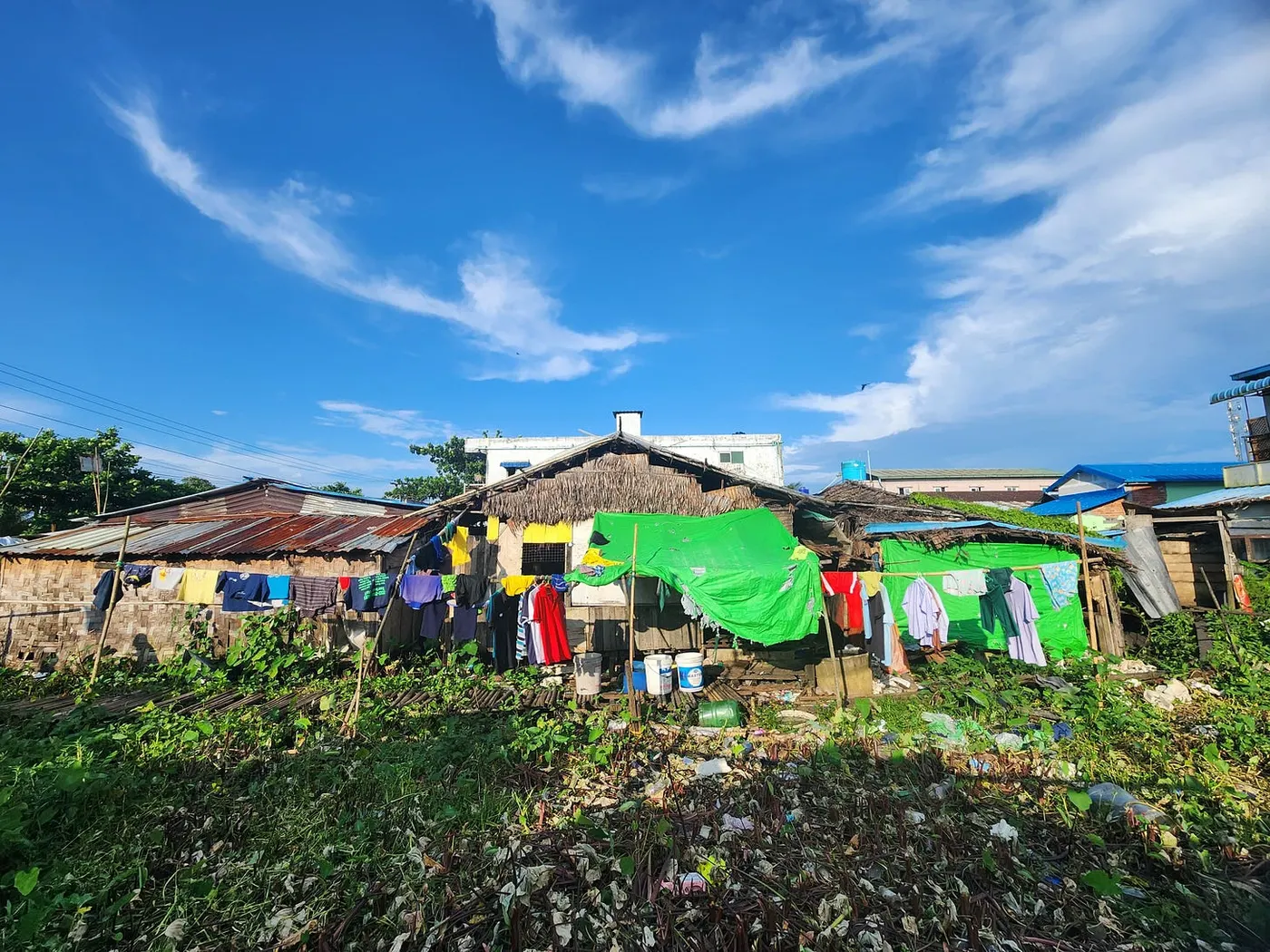
Monsoon rains, costs pushed up by the conflict in the Middle East, and years of currency decline left thousands of households in Hlaing Thar Yar, a township of more than half a million people, unable to keep a roof over their heads. We set out to fix 100 roofs. The goal was passed within five weeks, so we raised it. Then we passed that too.
- 4 July 2026100 roofs and water systemsProject launched. Reached and surpassed.
- 7 August 2026200 roofsTarget raised. Reached and surpassed.
- 4 October 2026300 roofs by DecemberTarget raised again. 243 funded so far.
We work alongside Myanmar Kitchen, a registered NGO that has spent more than half a decade in Hlaing Thar Yar serving meals, clean water and education. They know these families and these streets; we are adding roofs to what they have already built.
What each home gets
A dry roof, and clean water where it is needed
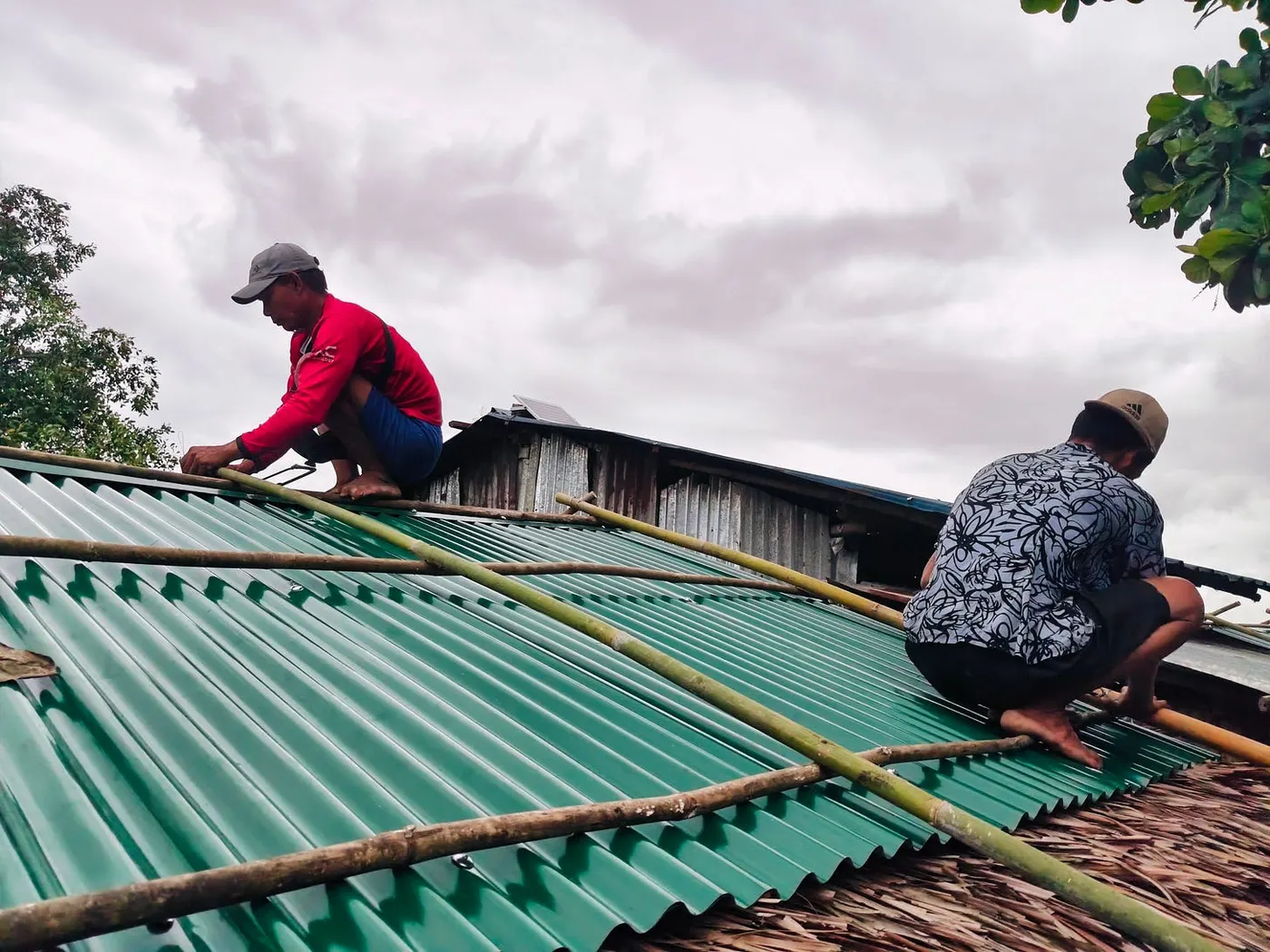
The roof
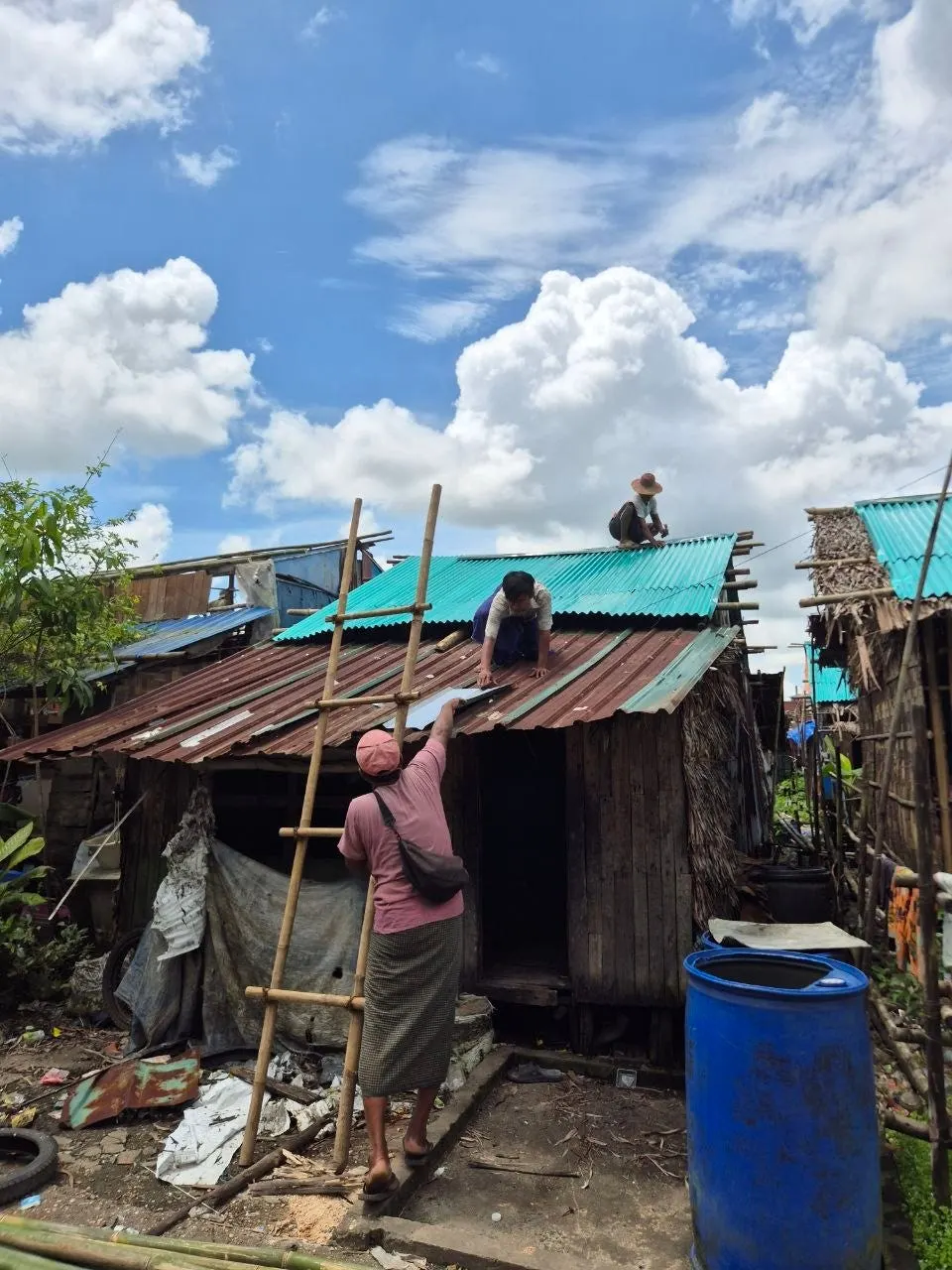
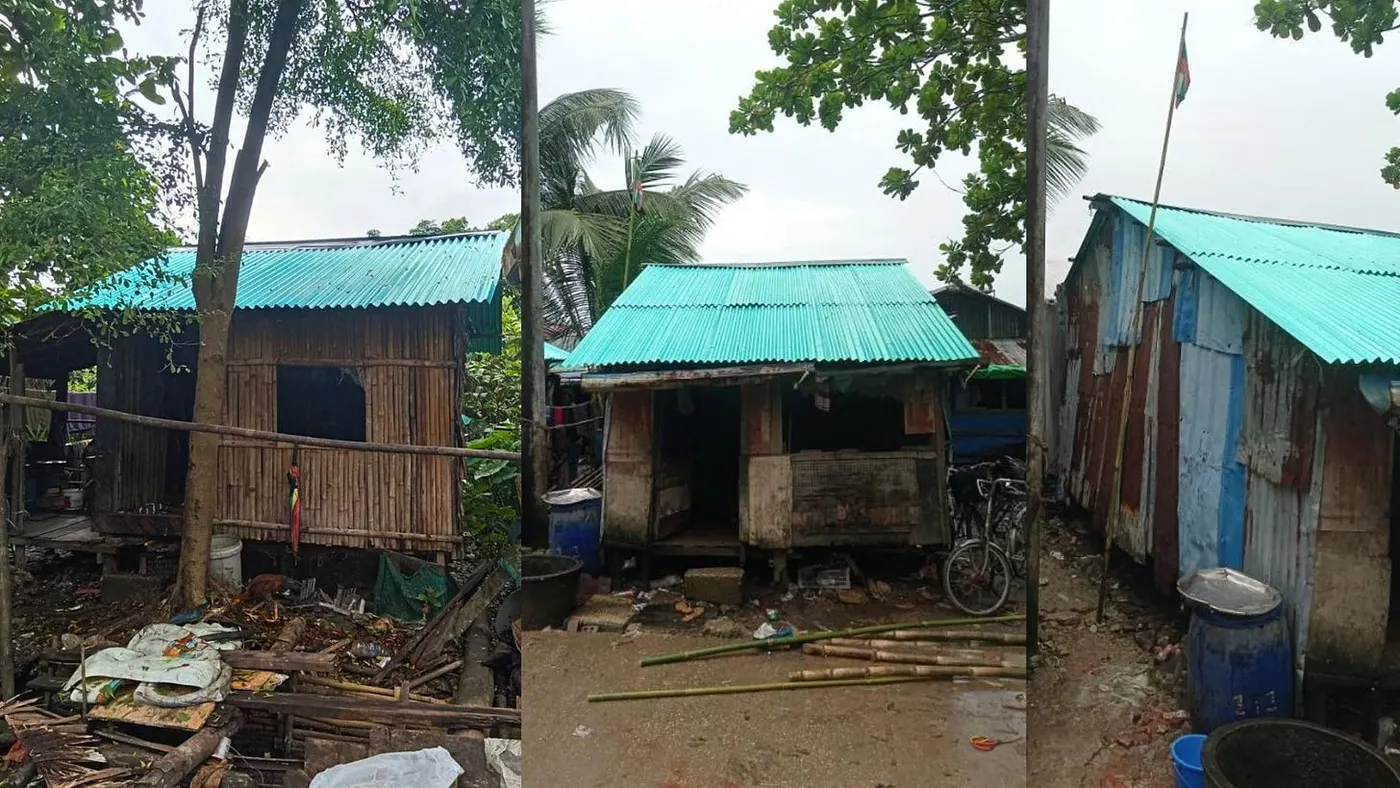
Zinc sheets, bamboo and timber replace leaking, rotting roofs, with extra reinforcement where the structure needs it to stay safe for years.
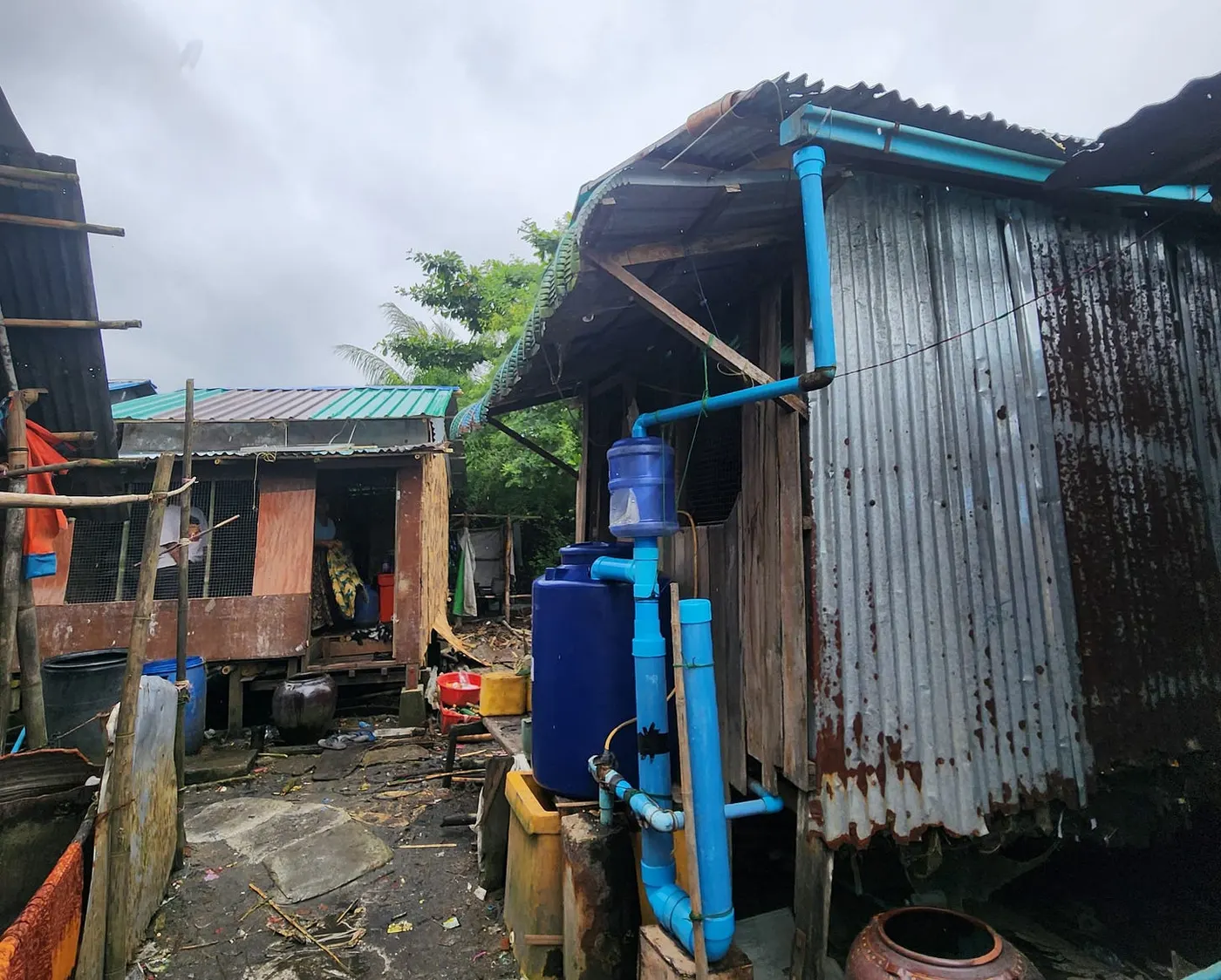
The rainwater system
Gutters, a 300 to 500 litre storage tank and simple sand and cloth filtration (our partner calls it the “leaf eater”) give the household water for washing, cleaning and showers.
Funds needed
Where the money goes
S$300 is an estimate: the real cost depends on the size and condition of each house. Most of it goes on materials, and the bulk of a water system is the tank and pipes. Labourers from the community are paid a pre-agreed rate of about S$60 per house, and two volunteers receive about S$6 a day each for lunch and transport while handling logistics and documentation.
Rising costs. Annualised inflation was around 27% as of 30 September and roof sheet prices are up about 25%. Sheets and tanks for the first 200 roofs are already bought; for roofs 201 to 300 we are sourcing other suppliers to keep costs down.
- Goal: 300 roofs and 100 water systems, about S$120,000 at S$300 each.
- Funded: 243 roofs and all 100 water systems. $102,600 raised to date.
- Still to fund: 57 roofs, about S$17,100 at S$300 each, likely more with rising prices.
How houses are selected
The families who need it most
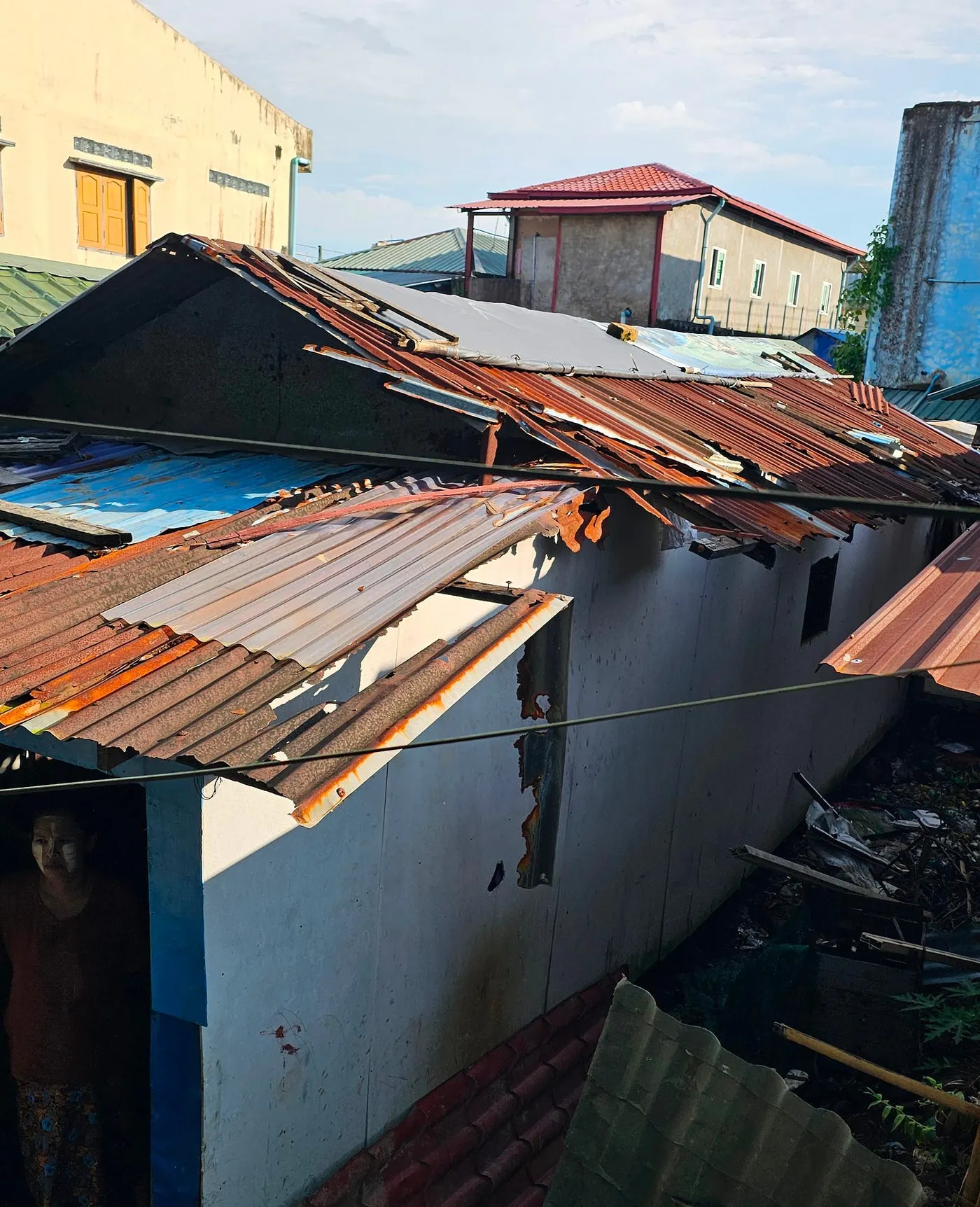
Households are chosen through community-based vulnerability assessments with local leaders, with priority for:
- Extremely poor households that cannot afford to repair their own roofs
- Households with elderly or disabled members
- Families with multiple children
- Female-headed households
Homes with serious structural problems, such as a house leaning so far that new roof works could bring it down, are handled separately rather than risk making them less safe.
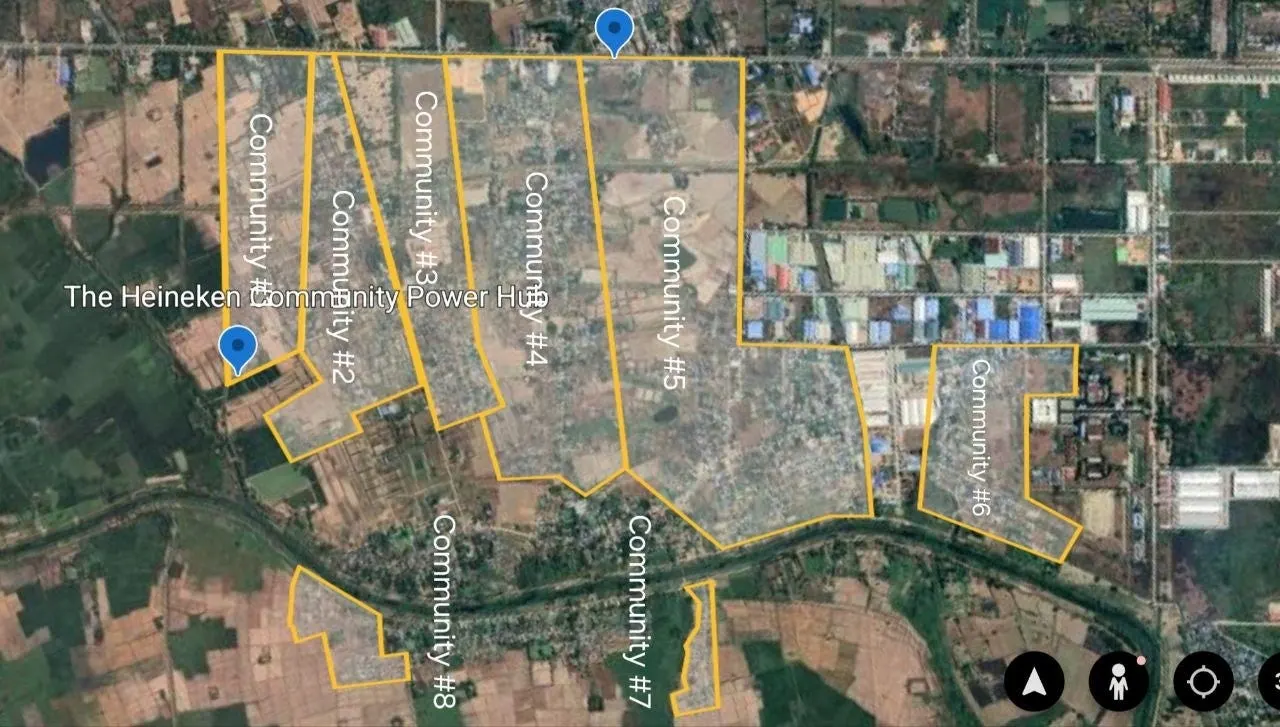
Where we work
Ward by ward across Hlaing Thar Yar
Work moves as the need and local approvals allow.
KasinTet ThitDaing Su villageNyuang (current)
Transparency
Every dollar, on the record
We use direct procurement: suppliers and labourers are paid directly rather than through intermediaries, receipts are shared in our updates, and every dollar received and spent is recorded in a public ledger.
Stories from the families
Behind every number is a household
A stroke patient watching her roof sheets being replaced. A 93-year-old who lives alone. A home caring for as many as six children. Hear some of the families in their own words.
Videos by Hear Myanmar. They load from YouTube when you press play.
Follow the progress
Updates from the field
Jeshua writes a regular update. All of them are on jeshuasoh.substack.com.
- Launch: fixing 300 roofs before 2027’s monsoon 4 July
- On the ground in Hlaing Thar Yar 26 July
- Week 5: the first 100 homes funded 8 August
- 2-month update 6 September
- 3-month update: going for 300 roofs 4 October
Field updates and family stories from Shelter for Hope, sent from Jeshua’s Substack.
Get involved
How you can help
Every purchase and workshop seat goes straight to materials and labour.
Common Cents is a social enterprise, not a registered charity.